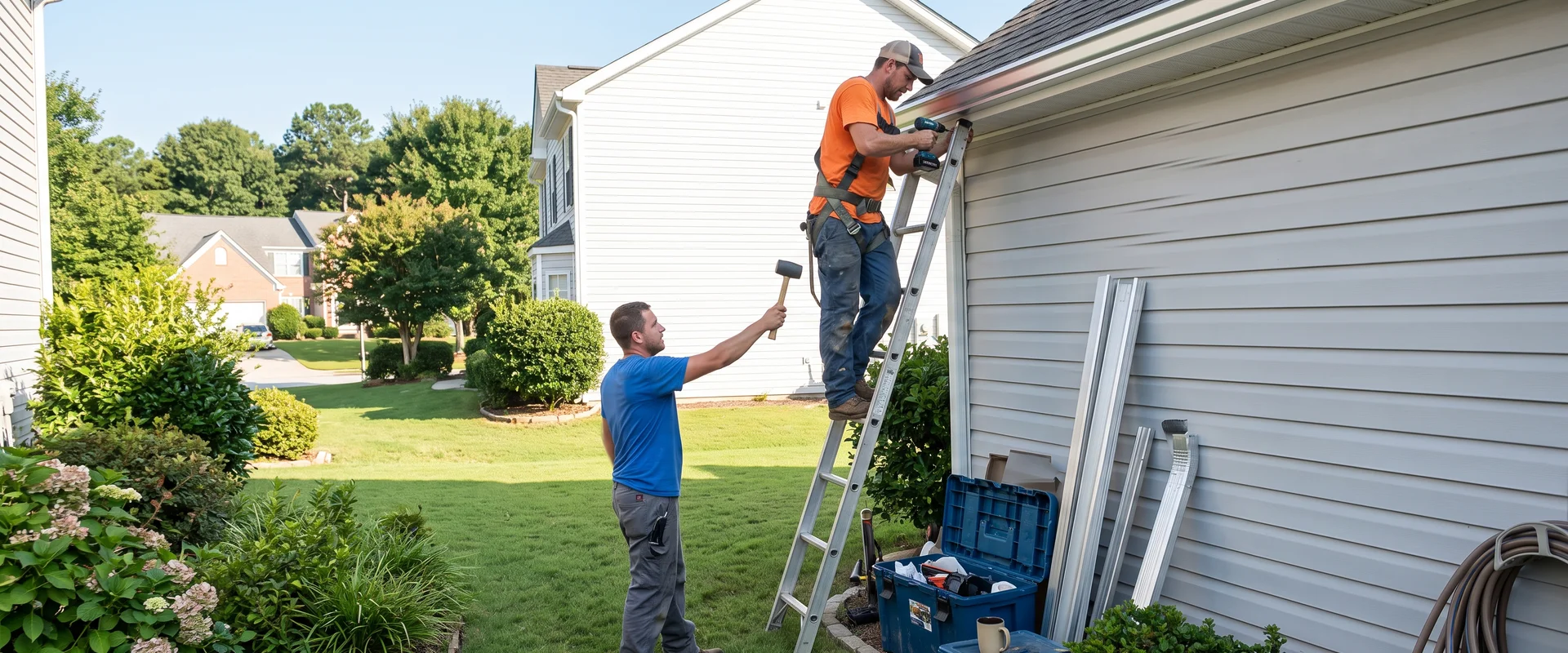
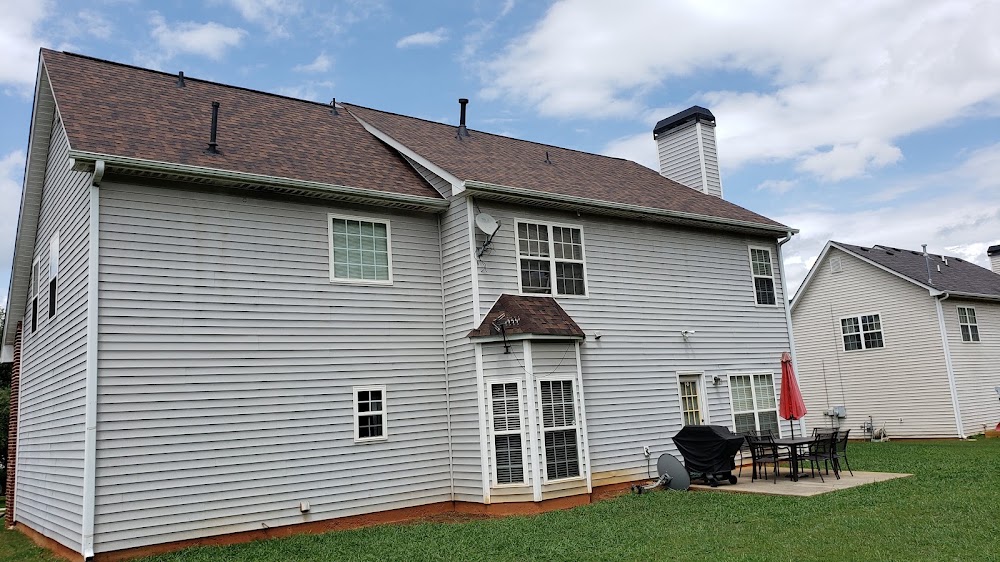
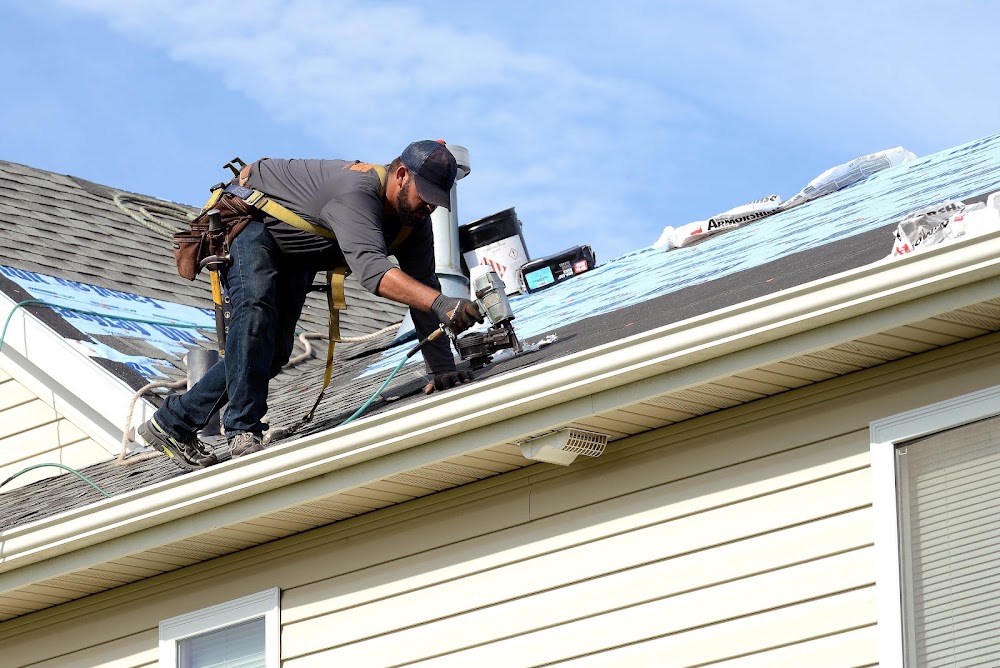
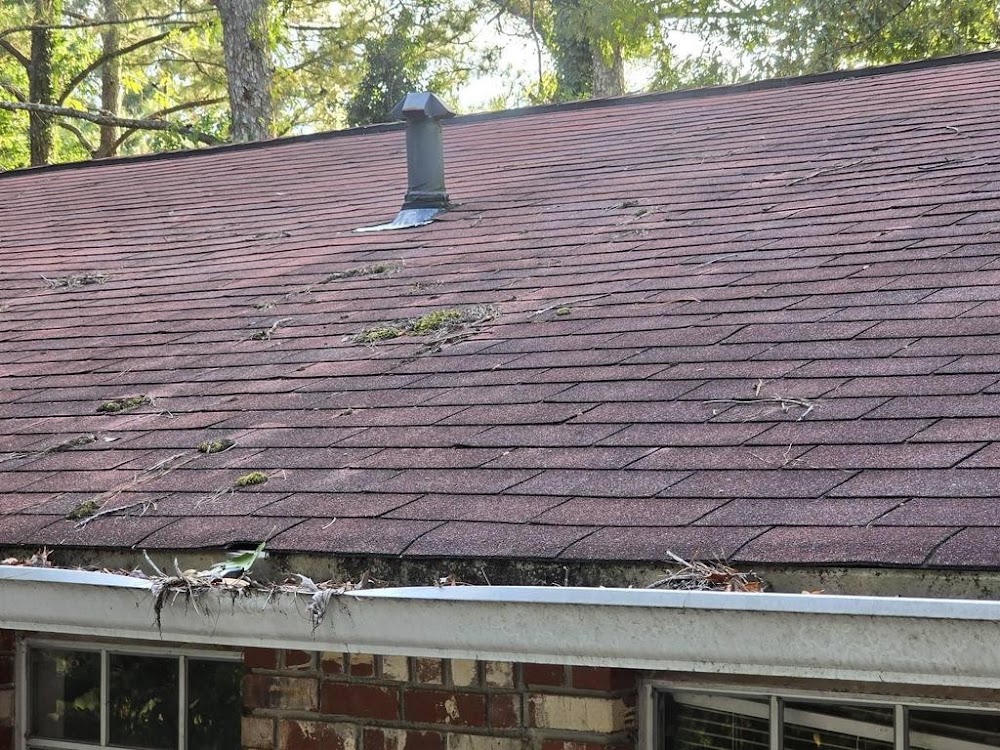
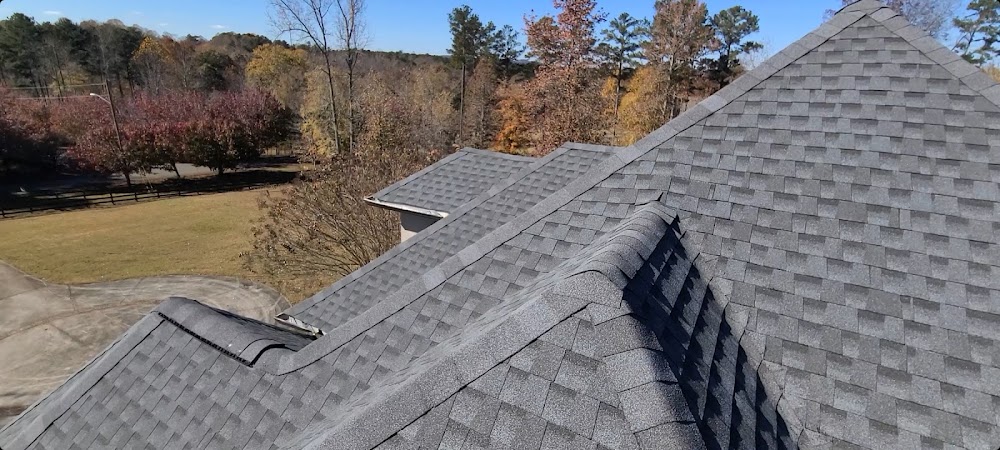
Gutters do one job: move water off your roof and away from your foundation, siding, and landscaping. In McDonough, that means sizing systems for the heavy summer downpours Henry County sees, cutting seamless aluminum runs on site, adding enough downspouts to keep up with roof pitch and square footage, and tying everything into proper drainage or splash blocks. Repair work usually covers resealing joints, re-pitching sagging sections, replacing torn hangers, and clearing or installing gutter guards after storm damage or years of leaf buildup from the pines and oaks common around town.
We've profiled 30 gutter contractors serving the McDonough area, from dedicated gutter installers to full roofing companies that handle gutters as part of a roof replacement. When comparing them, look at whether they cut seamless gutter on site (fewer leak points than sectional pieces), how they handle downspout placement and underground drainage extensions, whether they offer gutter guards and stand behind the install with a written warranty, and how they communicate on scheduling and follow-up if something needs adjusting after the first hard rain.
Our ranking weighs licensing, review history, responsiveness, and the specifics of the work each company does, explained fully on our methodology page. For the full ranked list with scores and details on each contractor, see our best roofing contractors in McDonough guide.